Independent Patient Navigation · 2026 Edition

CAR-T Therapy in China

Evidence-based guidance on approved therapies, hospital tiers, and transparent pricing for international patients

China is home to commercially approved, autologous BCMA CAR-T therapies with published peer-reviewed efficacy, shorter treatment wait times, and public manufacturer pricing. Curated by China’s multiple myeloma patient community, this independent guide provides international patients, families, and referring oncologists with verifiable clinical facts, licensed hospital directories, and step-by-step travel navigation.

CORE CLINICAL VALUE & TRANSPARENCY

Why more international families are considering CAR-T in China

China offers licensed commercial CAR-T for multiple myeloma, a clinical treatment window measured in weeks rather than months, and a transparent public drug list price you can verify independently.

NMPA Approved

Approved science, not a trial slot

福可苏® (eque-cel)赛恺泽® (zevor-cel)

NMPA-approved commercial therapies administered at licensed tertiary hematology centers. This is established standard hospital care, not an unpredictable trial lottery.

  • Full commercial prescription & QA standards
  • Standardized ~4–6 week cell manufacturing
Weeks, Not Months

A care window measured in weeks

8–10 Weeks Total Clinical Course

From remote medical records review to apheresis, infusion, and early CRS recovery, international patients typically complete care within an 8–10 week window—substantially shorter than overseas waitlists.

  • Rapid 1–2 week pre-admission record review
  • Initiates while myeloma remains treatable
Transparent Pricing

A public list price you can verify

Net Drug:850,000 RMB(≈$118,302 USD)

The cell product has a published sovereign list price applied equally to international patients. Drug and hospital care are billed directly with official tax invoices—no agency markups.

  • Direct hospital payment with tax invoices (fapiao)
  • Full tier-by-tier calculator provided below

Approved Therapies & Peer-Reviewed Data

NMPA-Approved Commercial CAR-T Therapies

Four autologous BCMA CAR-T therapies are commercially approved worldwide for multiple myeloma. Two of them—福可苏® (Eque-cel) and 赛恺泽® (Zevor-cel)—are NMPA-approved, commercially supplied, and administered at licensed tertiary hematology centers in China.

NMPA-Approved (June 2023)IASO Bio & Innovent Biologics

福可苏® (Eque-cel)

Equecabtagene Autoleucel (CT103A / Fucaso®) · BCMA (Fully Human scFv)

Overall Response (ORR)

96.0%

99/103 Patients (JAMA)

CR / sCR Rate

74.3%

83.2% at IMS 2025

Severe CRS (Grade ≥3)

1.0%

1/103 Patients

View Registrational Study Details & Peer-Reviewed Publication

FUMANBA-1 Registrational Study (JAMA Oncology 2024; IMS 2025)

CAR-T Naive Cohort ORR:98.9% in CAR-T naive patients
MRD Negativity Rate:95.0% overall (100% in CR/sCR)
12-Month PFS Rate:78.8% (95% CI, 68.6%–86.0%)
Long-Term Overall Survival:Median OS 50.2 months (longest remission >5 years)
Grade ≥3 ICANS Rate:0% (0/103 patients in JAMA cohort)
Median Prior Lines:4 prior lines in trial cohort
About Carvykti (cilta-cel) — Why is Carvykti not commercially supplied in China?

Cilta-cel (Carvykti) was originally invented by Legend Biotech in Nanjing and is co-commercialized globally with Janssen. While approved by China’s NMPA, the manufacturer does not commercially distribute or supply the drug within China.

As a result, Chinese hospitals cannot supply Carvykti commercially. The commercial CAR-T therapies currently commercially supplied in China are 福可苏® (Eque-cel) and 赛恺泽® (Zevor-cel).

Clinical Note: Endpoints shown reflect published registrational study cohorts. Because these studies were conducted independently and were not head-to-head randomized trials, cross-trial response comparisons should be interpreted within clinical context. Individual medical prognosis is determined after comprehensive physician record evaluation.

Patient Safety & Protocols

Clinical Safety & Side Effect Management

Cellular immunotherapy is powerful, and managing expected side effects safely requires experienced hematologists, standardized clinical protocols, and on-site intensive care readiness.

Expected immune response · Mostly Grade 1–2 (Mild)

Cytokine Release Syndrome (CRS)

CRS is an anticipated physiological byproduct as CAR-T cells actively engage and destroy myeloma cells. In registrational trials, approximately 9 in 10 patients experienced transient, manageable fever lasting a median of 5 days.

Treated on-site with IL-6 receptor antagonists (tocilizumab) and corticosteroid protocols to rapidly suppress inflammatory spikes before complications escalate.

Trial Benchmark

0.9% – 1.0%

Severe CRS (Grade ≥3) across published registrational cohorts

On-Site Intensive Care (ICU) Infrastructure

Under Chinese healthcare regulations, all hematology centers administering CAR-T therapy must operate an on-site, accredited intensive care unit (ICU) with 24/7 critical care readiness. Confirming on-site ICU backup is a standard safety checkpoint when evaluating any hospital; CMDN can help you confirm whether a designated center operates dedicated ICU facilities.

Curated Centers & Tier Navigation

Top Hematology Centers in China Administering CAR-T

This directory features China’s leading hematology powerhouses, curated based on clinical infrastructure (HEPA isolation suites, on-site ICU backup), extensive CAR-T case experience, national peer reputation, and certified commercial CAR-T credentials. Centers span three distinct administrative tiers with different languages, registration pathways, and room tariffs.

Tier 1: Public Hospitals (General Wards)

Top Clinical Volume & Lowest Base Tariffs

National hematology powerhouses with the largest clinical trial experience and complication management volume. Bed and procedural rates follow standard municipal public pricing.

Language Reality: Ward rounds and nursing are in Chinese; foreign patients must provide their own medical interpreters.

Administration: Registration and inpatient admission processes are complex for international visitors without local assistance.

Tier 2: Public International Centers (IMC)

Same Top Specialists & Upgraded Wards

Operated within top public tertiary hospitals by the same senior hematology professors, offering private rooms and expedited registration.

Language Reality: English support is usually handled by liaison coordinators; bedside medical care is in Chinese.

Pricing: Moderate premium on daily room rates and specialized service fees over general wards.

Tier 3: Private International Hospitals

Dedicated English Care & International Coordination

Full-service international patient support. Licensed private centers provide direct clinical English communication with attending oncologists and assist with formal S2 medical visa invitation letters.

Reality & Capacity: Only a small number of licensed private tertiary hospitals in China maintain certified autologous CAR-T cell infusion facilities.

Pricing: Highest accommodation and nursing tariffs among the three categories.

20 Curated Centers11 Hub Cities

Browse Centers by City

Showing 20 hospitals nationwide
Public General Beijing

Peking University People's Hospital

北京大学人民医院

Language:Ward in Chinese
Admissions:Self-navigated
Direct hospital admissionWebsite
Public General Beijing

Peking Union Medical College Hospital

北京协和医院

Language:Ward in Chinese
Admissions:Self-navigated
Direct hospital admissionWebsite
Public General Beijing

Chinese PLA General Hospital

中国人民解放军总医院(301医院)

Language:Ward in Chinese
Admissions:Self-navigated
Direct hospital admissionWebsite
Public General Beijing

Beijing Chao-Yang Hospital

首都医科大学附属北京朝阳医院

Language:Ward in Chinese
Admissions:Self-navigated
Direct hospital admissionWebsite
Public General Tianjin

Institute of Hematology, CAMS (Blood Diseases Hospital)

中国医学科学院血液病医院(血液学研究所)

Language:Ward in Chinese
Admissions:Self-navigated
Direct hospital admissionWebsite
Public General Shanghai

Ruijin Hospital

上海交通大学医学院附属瑞金医院

Language:Ward in Chinese
Admissions:Self-navigated
Direct hospital admissionWebsite
Public General Shanghai

Zhongshan Hospital, Fudan University

复旦大学附属中山医院

Language:Ward in Chinese
Admissions:Self-navigated
Direct hospital admissionWebsite
Public General Shanghai

Shanghai Changzheng Hospital

上海长征医院(海军军医大学第二附属医院)

Language:Ward in Chinese
Admissions:Self-navigated
Direct hospital admissionWebsite
Public General Suzhou

The First Affiliated Hospital of Soochow University

苏州大学附属第一医院

Language:Ward in Chinese
Admissions:Self-navigated
Direct hospital admissionWebsite
Public General Nanjing

Jiangsu Province Hospital

江苏省人民医院(南京医科大学第一附属医院)

Language:Ward in Chinese
Admissions:Self-navigated
Direct hospital admissionWebsite
Public General Chengdu

West China Hospital, Sichuan University

四川大学华西医院

Language:Ward in Chinese
Admissions:Self-navigated
Direct hospital admissionWebsite
Public General Wuhan

Tongji Hospital, Tongji Medical College

华中科技大学同济医学院附属同济医院

Language:Ward in Chinese
Admissions:Self-navigated
Direct hospital admissionWebsite
Public General Guangzhou

Sun Yat-sen University Cancer Center

中山大学肿瘤防治中心(中山大学附属肿瘤医院)

Language:Ward in Chinese
Admissions:Self-navigated
Direct hospital admissionWebsite
Public General Guangzhou

Nanfang Hospital

南方医科大学南方医院

Language:Ward in Chinese
Admissions:Self-navigated
Direct hospital admissionWebsite
Public General Zhengzhou

The First Affiliated Hospital of Zhengzhou University

郑州大学第一附属医院

Language:Ward in Chinese
Admissions:Self-navigated
Direct hospital admissionWebsite
Public IMC Shanghai

Ruijin Hospital International Medical Center

上海交通大学医学院附属瑞金医院国际医疗部

Language:Coordinator English
Admissions:Case-by-case IMC
Direct hospital admissionWebsite
Public IMC Hangzhou

The First Affiliated Hospital, Zhejiang University — IMC

浙江大学医学院附属第一医院国际医疗中心

Language:Coordinator English
Admissions:Case-by-case IMC
Direct hospital admissionWebsite
Public IMC Shenzhen

The University of Hong Kong-Shenzhen Hospital — IMC

香港大学深圳医院国际医疗中心

Language:Clinical English
Admissions:Case-by-case IMC
Direct hospital admissionWebsite
Private International Beijing

Beijing Lu Daopei Hospital

北京陆道培医院

Language:Coordinator English
Admissions:Case-by-case IMC
Direct hospital admissionWebsite
Private International Shanghai

Shanghai Jiahui International Hospital

上海嘉会国际医院

Language:Clinical English
Admissions:Dedicated Int. Office

Financial Transparency & Facts

Official List Price, Available Discounts & Hospital Cost Realities

Commercial CAR-T in China is billed directly by licensed treating hospitals. Understanding official drug list pricing, standard reductions, and how inpatient costs vary by hospital tier ensures transparent planning without intermediary markups.

Official List Price (NMPA Regulated)

¥1,150,000

Retail Drug Listing

Official list price for commercial autologous CAR-T cell manufacturing (eque-cel or zevor-cel).

View NMPA & listing sources

Official discount (also for foreign patients)

300,000

Standard Reduction

International patients are eligible for the same ¥300,000 reduction on the commercial drug cost.

✓ Applicable across all authorized Chinese hospitals (both public tertiary centers and private international hospitals).

Cell Product Subtotal

850,000

Net Drug After Discount

Estimated net drug cost before hospital admission, baseline work-up, lymphodepleting chemotherapy, and supportive inpatient care.

Billed Separately by Hospital Tier

Varies

Hospital Care & Stays

Indicative hospital-side range, excluding the cell product: public ¥80,000220,000; public international department ¥150,000350,000; private international ¥250,000600,000.

Interactive All-In Cost Estimator

Calculate your complete estimated expenditure (Net Drug + Hospital Inpatient & Work-Up) in RMB or your home currency.

Base Currency: 1 USD ≈ 7.1850 CNY

1. Net Drug Cost (After ¥300k Discount)

~¥850,000 CNY

Regulated NMPA standard price

2. Est. Hospital Inpatient & Work-Up

~¥150,000¥350,000

Public IMC setting

Estimated All-In Episode

~¥1,000,000¥1,200,000

Official hospital billing total in RMB (excl. airfare & lodging)

Paid directly to treating hospital’s official bank account with tax invoices (fapiao). Zero agency markups.
Get individualized quote verification

Pricing Integrity & Scam Prevention

To protect international patients from fraudulent broker packages or unregulated investigational products, keep these two commercial benchmarks in mind:

Drug Cost Rule: Licensed NMPA commercial cell drug alone costs ~¥850,000 RMB (~$120,000 USD). Any offer quoting drug costs below $120,000 USD requires extreme caution.

All-Inclusive Total Rule: Genuine private international care (drug + inpatient hospital stay) typically totals $160,000–$215,000 USD. Any broker offering an “all-inclusive private package” below $160,000 USD is a high-risk warning sign.

💡 Free verification: You can send written third-party quotes or pro-forma invoices to CMDN for independent verification before making any deposits.

Need detailed methodology, hospital tier cost factors, or evidence sources?

Explore our comprehensive cost breakdown, exchange rate handling, and published citations.

Read Full Pricing Breakdown & Sources

Typically Billed by the Treating Hospital

  • Commercial CAR-T Cell Product: NMPA-approved autologous cell manufacturing (eque-cel or zevor-cel).
  • Inpatient Isolation Stay: Single-patient HEPA-filtered room or specialized ward monitoring.
  • Conditioning Chemotherapy: Standard fludarabine/cyclophosphamide lymphodepleting regimen.
  • Baseline Clinical Monitoring: Regular lab work, vital monitoring, and routine supportive medications.

Separate & Variable Clinical Items

  • Travel & Living Expenses: International airfare, local living, meals, and multi-week lodging.
  • Non-Standard Bridging: Specialized bridging chemotherapy prior to apheresis if clinically required.
  • Extended ICU Days: Critical care stays beyond routine hospital observation protocols.
  • Pre-Existing Comorbidities: Diagnostic work-up and management of unrelated chronic health conditions.

Care Options & Access Reality

Navigating Your Options: The Three CAR-T Pathways in China

When researching CAR-T in China, international patients will encounter three distinct pathways. Knowing the clinical legitimacy, regulatory rules, and foreigner eligibility of each ensures a safe, predictable medical journey.

Open to Foreign Patients

Licensed Commercial CAR-T

Approved Therapies

NMPA-approved commercial autologous products (福可苏® eque-cel / 赛恺泽® zevor-cel) with regulated national GMP release standards.

Clinical Access

Fully accessible for foreign passport holders following remote multidisciplinary record evaluation by authorized centers.

Direct Settlement

All medical deposits and drug fees are paid directly to the treating hospital’s official bank account with itemized official tax invoices (fapiao).

Extremely Limited for Foreigners

Domestic Clinical Trials

Regulatory Reality

Governed strictly by national Human Genetic Resources regulations and long-term follow-up ethics rules; almost all China trials enroll domestic residents only.

Current Status (As of Aug 2026)

Nationwide, only 1 investigational in-vivo CAR-T trial is actively open to international patients (strict English fluency required).

Registry Notice

An English entry on ClinicalTrials.gov is a scientific registry disclosure, not an open invitation to travel. Never pay an agency to “unlock” a trial slot.

High-Risk Warning

Unregulated Broker Packages

Common Red Flags

Brokers marketing early unapproved IIT studies as commercial therapies, bundling third-party markups, or offering “guaranteed low-cost cures”.

Protection Rule

Never pay broker agency accounts or “deposit fees”. Legitimate hospitals always issue direct written invoices and admission notices.

Verification Action

If an intermediary presents a package proposal, ask for the official hospital bank details and pro-forma invoice—or send it to CMDN for independent review.

CMDN Patient Advocacy & Financial Integrity

Independent Non-Profit · Free Navigation · Direct Hospital Billing

1. Pure Nonprofit Platform

CMDN operates purely as an independent patient advocacy community: we do not charge patients, sell packages, or take hospital commissions.

2. No Intermediary Markups

CMDN accepts no intermediary referral fees, does not sell packages, and prices are always based strictly on written hospital quotes.

3. Direct Hospital Billing

All medical deposits and payments are made directly to the treating hospital’s official account with itemized official invoices (fapiao).

*Final medical eligibility, treatment protocols, and formalized financial quotes are issued directly in writing by licensed treating hospitals following comprehensive record evaluation.

8-to-10 Week Clinical Journey|Only ~10–14 Days Inpatient

Step-by-Step Clinical Journey & Timeline

The complete CAR-T pathway spans initial work-up, T-cell apheresis, ~3 weeks of cell manufacturing, a short inpatient conditioning & infusion stay (10–14 days), and outpatient safety monitoring before flight clearance.

|
Interactive Patient Journey Map (Click any phase to jump)Total Stay: 8–10 Weeks

Remote medical record review with CMDN, direct hospital inquiries, and choosing a visa route (visa-free or tourist visa).

Free Record Review

CMDN provides free independent review of your bone marrow pathology and treatment history.

Direct Entry with Visa-Free or Tourist Visa

Travelers typically enter China using visa-free policies or standard tourist visas (L-visa) for initial medical evaluation.

Optional S2 Assistance

If a private international hospital is chosen and an S2 medical visa is specifically required, the hospital issues invitation letters at no charge.

What clinical factors may adjust the stay duration? (6 Modifying Factors)

While most patients complete treatment within 8 to 10 weeks, the treating team adjusts timelines based on individual kinetics and response:

🛂 Visa Processing

Visa-free or tourist visa processing times vary depending on nationality.

📈 Disease Kinetics

Rapid tumor proliferation during cell manufacturing may warrant bridging therapy.

🔬 Batch Quality Release

Stringent sterility, viability, and potency release testing requires 2 to 3 weeks.

🩸 Marrow Recovery

Platelet or neutrophil engraftment timing determines when outpatient care starts.

🛡️ 30-Day Safety Window

Observation is completed in China to safely manage any delayed inflammatory signs.

🛏️ HEPA Isolation Sync

Bed admission is synchronized precisely with cell thaw and infusion schedules.

Daily Hospital Communication

Language & Communication: What to Realistically Expect in Hospital Wards

From morning doctor rounds to 24/7 bedside nursing and discharge records, see how daily communication works across public general wards, international departments, and private hospitals.

Daily Care Situation
Public General
Public IMC (International)
Private International
👨‍⚕️Daily Physician Rounds
100% Mandarin Chinese

Leading national hematologists speak Chinese; foreign patients must arrange their own medical interpreter.

Mandarin + Coordinator Translation

Chief specialists conduct rounds in Mandarin, accompanied by dedicated hospital international coordinators.

Direct Clinical English

Attending oncologists and senior hematologists communicate directly in fluent clinical English.

👩‍⚕️Bedside Nursing & 24/7 Calls
100% Mandarin Chinese

Routine nursing is in Chinese; patient family or hired caregiver presence is essential.

Basic English + Call Assistance

Ward nurses have working English proficiency; international liaison desk available during day shifts.

24/7 Bilingual Nursing Team

Full bedside care, vital monitoring, and medication briefings conducted directly in English 24/7.

📑Discharge Summary & Records
Official Chinese Records

Certified hospital records stamped in Chinese; patient must translate externally for home oncologists.

Chinese Records + English Summary

Includes official Chinese hospital file plus an English discharge summary with lab trend highlights.

International English Medical Records

Complete Western-standard medical documentation, daily logs, and discharge summaries issued natively in English.

✍️Informed Consent Briefings
Standard Chinese Forms

Regulatory consent documents in Chinese; family/interpreter must review before signature.

Bilingual Consent Paperwork

Bilingual clinical protocol documents with physician briefing via coordinator.

Western-Standard English Consent

Comprehensive English consent documentation with in-depth doctor-patient discussion.

🌐Remote Pre-Travel Evaluation
Mandarin Records Required

Preliminary feasibility screening conducted via Chinese medical summaries.

English Records Accepted

International office accepts English medical records for multidisciplinary specialist review.

Direct English Tele-Consultation

English video consultation with oncologists and official complimentary S2 visa invitation letters.

Non-English Languages

Japanese, Russian, Arabic, French, Spanish

Patients speaking languages other than English must arrange dedicated professional medical interpreters or bring bilingual family members.

CMDN can advise on how to prepare certified bilingual medical records.

How CMDN Helps with Language & Record Planning

CMDN provides independent guidance on preparing bilingual English/Chinese medical records and tips for arranging translation support. We operate purely as a nonprofit patient advocacy group: we never sell interpreter packages and never make false promises of universal English access.

Have questions about hospital language capability?Ask CMDN for Language Advice

Logistics & Travel Preparation

Traveling to China for CAR-T: Visa Routes, Duration & Daily Logistics

Planning medical travel to China requires clear understanding of visa policies, realistic stay lengths across the 8-to-10 week total window, and essential mobile digital payment setup.

Instant Visa & Stay Duration Checker

Check visa-free eligibility, permitted stay duration, and clinical feasibility for your passport nationality.

~50 Visa-Free Countries Supported
🇦🇺

Australia

30-Day Visa-Free

30-Day Visa-Free Eligible (Unilateral Exemption)

Phase 1: Initial Staging & Apheresis (7–10 Days)

Fully covered. 30 days is more than enough for baseline work-up and apheresis (typically 7–10 days).

Phase 2: Cell Infusion & Observation (3–4 Weeks)

For the infusion stage (3–4 weeks), patients can either enter visa-free a second time or obtain an S2 medical extension locally with hospital support.

In-Hospital Visa Support: Fly directly to China visa-free. If your inpatient stay or observation period exceeds your visa-free window, private international hospitals directly assist with on-site visa/stay extensions with exit-entry authorities, while public hospitals provide formal medical certificates and official guidance.

Request Visa Guidance

Pre-Departure Travel & Clinical Preparation Checklist

Step 1: Clinical Records

Organize English Medical Records

Prepare recent bone marrow biopsy reports, flow cytometry, immunofixation electrophoresis, light chains, and complete previous treatment lines (daratumumab, proteasome inhibitors, IMiDs).

CMDN can provide standardized clinical record templates to streamline specialist review.

Step 2: Travel Protocol

Plan Itinerary & Caregiver

Traveling with an adult companion or family caregiver is strongly advised. Choosing the two-trip protocol (Apheresis Trip ➔ Rest at Home ➔ Infusion Trip) significantly reduces accommodation costs and fatigue.

Shanghai, Beijing, and Guangzhou feature extensive nonstop international flight connections.

Step 3: Direct Admission

Secure Direct Hospital Notice

Authorized treating hospitals issue official bilingual pre-admission letters and S2 medical visa invitations directly upon record acceptance. All documents are issued free of charge.

Never pay third-party brokers for hospital admission letters or bed reservation fees.

Digital Survival Guide: Mobile Payments & Connectivity in China

Essential mobile setup and hospital billing before boarding your flight

1. Cashless Payments (Alipay & WeChat)

China is virtually cashless. Download Alipay and WeChat before departure and bind your foreign Visa or Mastercard credit card. Use them effortlessly for hailing taxis (Didi), dining, and daily groceries.

✓ Foreign credit cards work seamlessly without needing a local Chinese bank account.

2. Unrestricted Internet & eSIMs

Standard domestic Wi-Fi does not connect to Google, WhatsApp, or certain international platforms. Purchasing an international roaming eSIM (e.g. Airalo, Holafly) or activating carrier roaming keeps your messaging and search uninterrupted.

✓ International roaming SIMs/eSIMs bypass local network filters automatically.

3. Large Medical Transfers (SWIFT)

For large cell-drug and inpatient deposits, treating hospitals accept direct international bank wire transfers (SWIFT) or international credit card payments at dedicated hospital international cashier desks.

✓ Official hospital tax invoices (Fapiao) issued immediately for international insurance claims.

Daily Living Realities: Clean Housing, Nutrition & Public Safety

Practical living guidance for immunocompromised myeloma patients and caregivers

1. Clean Serviced Apartments

High-standard furnished serviced apartments (e.g. Ascott, Somerset, or hospital-adjacent long-stay suites) located within 15–30 minutes of major tertiary centers provide private kitchens, in-unit laundry, and strict sanitization.

✓ Private kitchens allow caregivers to prepare hygienic, low-microbial meals during cytopenic recovery.

2. Fresh Groceries & Doorstep Delivery

Online grocery platforms (Hema Fresh, Sam’s Club China, Meituan) deliver fresh organic ingredients directly to your apartment doorstep in 30–45 minutes, minimizing crowded public exposures for vulnerable patients.

✓ Daily living expenses and food costs are significantly more affordable than in North American or European cities.

3. Nationwide World-Leading Public Safety

All cities across China maintain world-leading public safety and clean, highly accessible modern transit networks. Foreign patients and solo family members can walk, commute, and move freely with absolute peace of mind 24/7.

✓ Universal nationwide safety with near-zero street crime and prompt 24/7 emergency response.

Need help preparing your travel, payment setup, or hospital verification?

CMDN provides free independent prep guidance and fact-checking for international myeloma families.

Ask CMDN for Travel Guidance

Public Clinical Records

International Patient Experience

Documented clinical accounts of international myeloma patients treated in China, compiled directly from hospital public news and clinical releases.

1 / 5

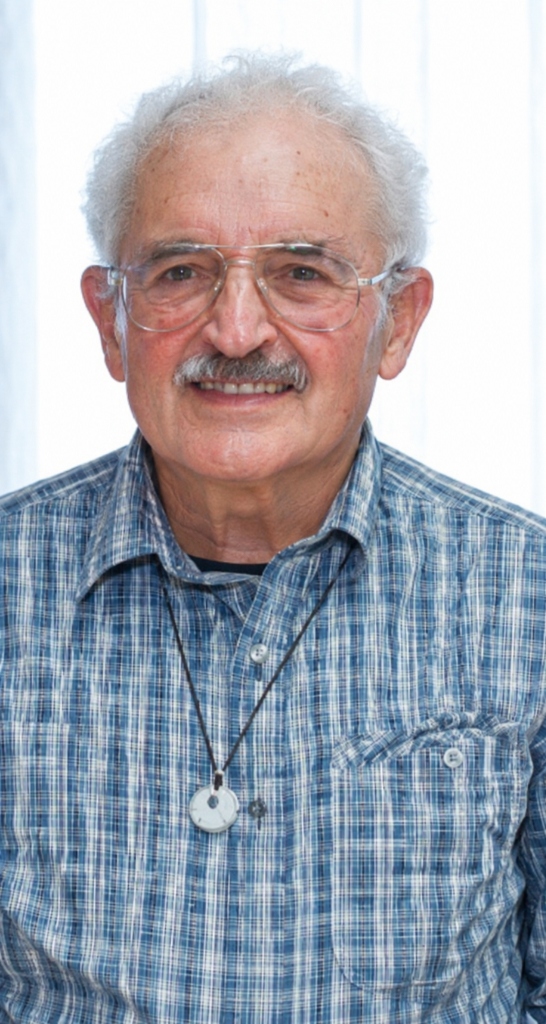
As a retired General Practitioner diagnosed with refractory multiple myeloma, I evaluated CAR-T therapies internationally. Receiving zevor-cel in China provided a structured clinical treatment window with dedicated post-infusion monitoring throughout my hospital stay.

Dr. M.

Dr. M.

🇳🇿

78-year-old retired physician, New Zealand

Commercial Zevor-cel (赛恺泽®) · Shanghai Jiahui International Hospital (2025)

Onco'Zine Report

*Individual case from public hospital releases. Clinical responses vary; educational only and not a guaranteed outcome.

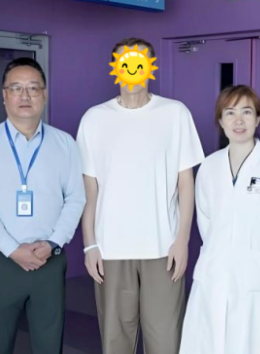
My entire treatment journey has been smooth throughout. I’ve had really good support from the medical team—from my doctors through to the nursing team. I have been able to work right through the whole treatment. It’s only in the last three weeks that I’ve had to take any time off.

J

Joshua

🇳🇿(Pseudonym)

New Zealand national living and working in Shanghai

Commercial Fucaso® (福可苏®) · Shanghai Jiahui International Hospital (Late 2023)

Jiahui News & PR Newswire

*Individual case from public hospital releases. Clinical responses vary; educational only and not a guaranteed outcome.

I feel like I made a very right decision coming to China. After collection in December and infusion in January, I was safely discharged on Day 13 and later confirmed in complete remission.

Prof. Vladimir B.

Prof. Vladimir B.

🇷🇺

Nearly 70-year-old university professor, Russia

Commercial Fucaso® (福可苏®) · Shanghai Jiahui International Hospital (Early 2024)

Shanghai Observer Report

*Individual case from public hospital releases. Clinical responses vary; educational only and not a guaranteed outcome.

Arriving with progressive disease and high light-chain burden, the hospital team coordinated my collection and infusion. By Day 29, marrow MRD showed no malignant cells before returning home.

Mr. Khramov

Mr. Khramov

🇷🇺(Pseudonym)

Patient from Russia

Autologous BCMA CAR-T · Hebei Yanda Lu Daopei Hospital (2025)

DXY 医院汇 Report

*Individual case from public hospital releases. Clinical responses vary; educational only and not a guaranteed outcome.

After living with relapsed myeloma for nine years, traveling to China in 2019 offered an early pioneering CAR-T clinical trial pathway prior to commercial approvals.

Anna M.

Anna M.

🇮🇹(Historical 2019 Trial)

Approximately 64-year-old patient from Italy

BCMA CAR-T Clinical Trial (2019 Milestone) · Lu Daopei Hospital

Hospital Enrolment Milestone

*Individual case from public hospital releases. Clinical responses vary; educational only and not a guaranteed outcome.

Clinical Criteria & Review

Eligibility & Medical Record Review

Commercial CAR-T eligibility in China is determined by official regulatory indications and individual hospital hematologist evaluation. CMDN provides free independent pre-screening before you make travel commitments.

NMPA Approved Indication

Relapsed or refractory multiple myeloma following ≥3 prior lines of therapy, including at least one proteasome inhibitor (PI) and one immunomodulatory drug (IMiD).

Standard Commercial Label

Physician Case-by-Case Review

For patients at earlier relapses or with unique prior regimens, hospital hematologists assess commercial CAR-T clinical feasibility based on marrow kinetics and organ reserve.

Individual Record Evaluation

Clinical Trials Reality

Most interventional trials in China enroll domestic patients because of follow-up and human-genetic-resource rules. If someone offers a foreign patient a “trial slot,” ask which ethics approval applies and why you would be eligible.

Usually not open to foreign patients
View baseline organ reserve & medical travel criteria (LVEF, eGFR, infection status)
Organ Reserve: Cardiac LVEF ≥ 45% and renal eGFR ≥ 30–40 mL/min to safely tolerate lymphodepleting conditioning.
Infection Control: No active, uncontrolled systemic bacterial, fungal, or viral infections.
Home Oncologist: A confirmed physician in your home country prepared to resume routine supportive blood monitoring upon discharge.

Common Questions

Frequently Asked Questions

Essential answers for international patients and referring oncologists.

Can a foreign patient receive commercial CAR-T in China?

Yes. International patients can receive NMPA-approved commercial CAR-T therapies (福可苏® / 赛恺泽®) at licensed Chinese hematology centers. Formal medical acceptance, eligibility confirmation, and treatment plans are issued directly by the treating hospital after examining complete medical records.

Someone quoted me an all-inclusive low-cost CAR-T package in China. Is that real?

Treat it as a signal to verify, not as a confirmed hospital quote. The net commercial drug alone is about ¥850,000 (roughly $120,000–$126,000) before hospital care. A public general-ward episode paid directly to the hospital in RMB can land around $135,000–$158,000, usually with Mandarin-only ward care. Private or international-department care is typically higher, about $160,000–$215,000. A third-party “all-inclusive private package with lodging and translation” under $150,000 usually cannot cover that stack. Ask which licensed product, which hospital account, and what is included besides the drug. CMDN can review the written offer with you.

Can I join a Chinese CAR-T clinical trial as a foreigner?

Under Chinese regulatory and human genetic resource rules, interventional clinical trials in China almost exclusively enroll Chinese domestic residents with valid national identification. Legitimate hospitals rarely enroll overseas patients into clinical trials. If someone offers to place a foreign patient in a free or low-cost Chinese trial, ask which ethics approval applies and why a non-resident would be eligible. CMDN can help you read that claim.

What is the real commercial price of CAR-T in China?

The official list price is ¥1,150,000. The same ¥300,000 reduction typically applies to international patients, bringing the net drug to about ¥850,000. Hospital stay, work-up, bridging, and non-routine ICU are billed separately and vary by public ward, public international department, or private international hospital. CMDN does not sell a package price.

What is the difference between public hospitals, international departments, and private hospitals?

Public general wards offer the lowest overall costs and massive clinical volume, but ward rounds are in Mandarin and international onboarding is challenging. Public international medical centers (IMCs) share the same senior doctors, offer English liaison support for admissions, and have higher fees. Private international hospitals provide dedicated international pathways, stronger English clinical communication, and free S2 visa assistance at the highest overall cost. CMDN lists all three tiers neutrally so you can decide.

Will the doctors and hospital staff speak English?

English is the exception, not the default. On public hospital general wards, ward rounds and nursing care are conducted entirely in Mandarin, and foreign patients must arrange their own professional medical interpreter. Public IMCs usually have bilingual administrative staff for registration, but bedside medical rounds may still require interpretation. Only a few private international hospitals sustain direct clinical English communication between attending oncologists and patients.

Do I need a medical visa (S2)? Do I need an intermediary?

You do not necessarily need a specialized medical visa before traveling. Citizens from approximately 50 countries can enter China visa-free for initial medical evaluations, and others can travel on a standard tourist visa (L-visa). If an extended stay or formal medical visa (S2) is needed, candidate private international hospitals can provide invitation letters at no charge. You do not need to pay any commercial broker for visas or hospital access.

Does CMDN charge for its services? Who do I pay for treatment?

CMDN is an independent nonprofit patient community: we do not sell treatment packages, charge consultation fees, or handle patient medical payments. All medical treatment fees, deposits, and drug costs are billed and wired directly to the licensed treating hospital's official bank account with formal itemized medical invoices.

Independent Nonprofit Guidance

Connect with the CMDN Volunteer Team

We provide free, evidence-based guidance to help international myeloma patients navigate clinical options, verify hospital quotes, and safely access care in China.

Free Clinical Pre-Review

Independent assessment of prior lines, disease kinetics, and eligibility before travel.

Quote & Hospital Verification

Independent checking of agency quotes, hospital names, and whether the product is commercially approved.

Direct Hospital Billing

Zero fees to families. All medical payments are wired directly to licensed hospitals.

Direct volunteer email:contact@chinamyeloma.org

Your Inquiry & Treatment Stage

* Required fields
✓ 100% Free Guidance·✓ Direct Hospital Billing·✓ Strictly Confidential

This form collects basic contact and stage details only. Do not paste sensitive records here. A CMDN volunteer will follow up with instructions on secure medical communication.

Important Institutional Notice: China Myeloma Digital Network (CMDN) is an independent non-profit patient advocacy organization. Content published on this page is for educational and navigation purposes only and does not constitute medical advice, clinical diagnosis, hospital admission guarantee, official pricing quotation, or visa authorization. Medical candidacy, treatment protocols, and formal quotations must be evaluated and confirmed in writing directly with licensed treating hospitals and official regulatory authorities. CMDN accepts no intermediary referral fees and does not handle patient medical payments.